Entertainment
Manwhabuddy: Exploring the Popular Manhwa Reading Platform and Online Manga Culture

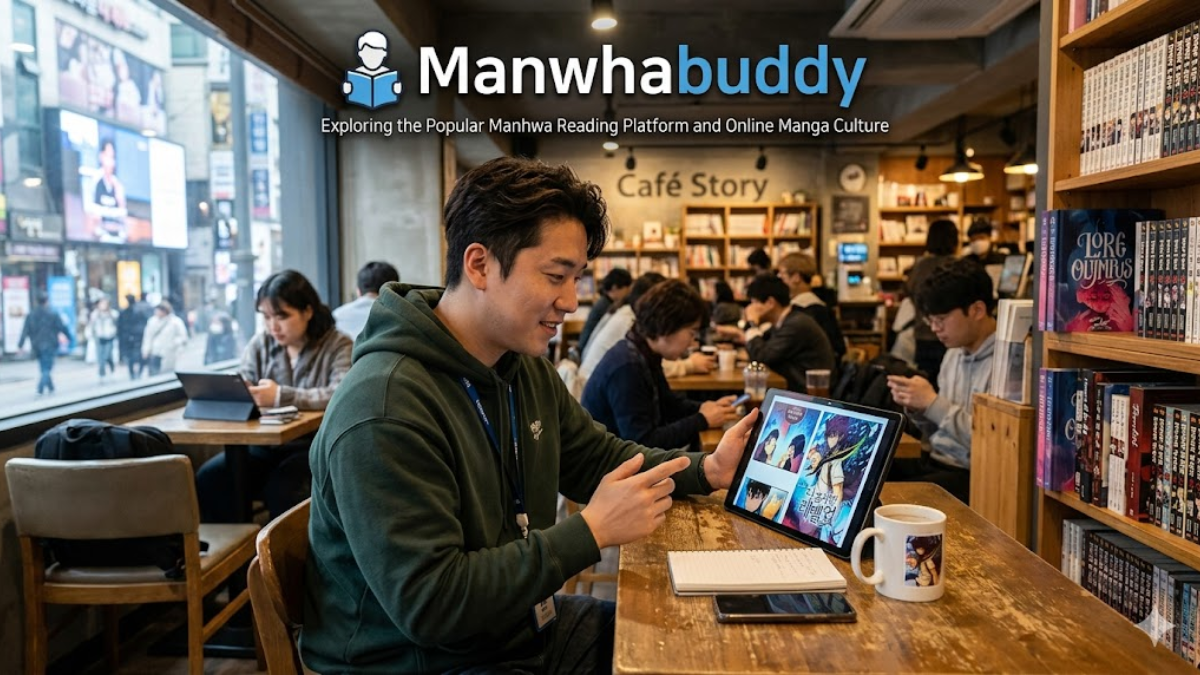
Digital comic culture has expanded dramatically over the last decade, transforming how global audiences consume illustrated storytelling. Among the platforms increasingly discussed within online comic communities is Manwhabuddy, a website associated with reading manhwa and related digital comics online. As Korean webcomics continue gaining international popularity through smartphones, social media, and streaming adaptations, platforms like Manwhabuddy have attracted attention from readers seeking easy access to serialized content.
The rise of websites connected to manhwa reading reflects a larger shift within entertainment consumption. Traditional printed comics once dominated the market, but digital platforms now allow readers to access thousands of titles instantly from anywhere in the world. Genres such as romance, fantasy, action, martial arts, horror, and slice-of-life have become particularly successful within the global manhwa industry, attracting readers beyond South Korea and across international fan communities.
Manwhabuddy is commonly referenced as a web-based platform offering access to manhwa content, including translated series that appeal to English-speaking audiences. Online discussions frequently describe it as part of the broader unofficial manga and manhwa reading ecosystem where readers search for free or easily accessible comic chapters. However, the platform also exists within ongoing debates involving copyright, digital publishing ethics, scanlation culture, and creator compensation.
The growing popularity of websites like Manwhabuddy demonstrates how internet culture has reshaped entertainment accessibility. Readers now expect fast updates, mobile-friendly interfaces, searchable libraries, and multilingual content. At the same time, publishers and creators increasingly face challenges involving unauthorized distribution and revenue protection.
Understanding Manwhabuddy requires examining not only the platform itself but also the larger digital comic environment surrounding modern manhwa culture, fan translation communities, streaming influence, and online entertainment trends.
| Aspect | Details |
|---|---|
| Platform Name | Manwhabuddy |
| Primary Focus | Online manhwa and comic reading |
| Content Type | Korean webcomics and translated series |
| Common Genres | Romance, fantasy, action, martial arts, drama |
| Audience | Global digital comic readers |
| Access Style | Browser-based reading platform |
| Industry Connection | Part of online webcomic ecosystem |
| Main Appeal | Free and convenient access |
| Key Concerns | Copyright and legal questions |
| Mobile Popularity | High among smartphone users |
What Is Manwhabuddy?
Manwhabuddy is generally recognized as an online platform associated with reading manhwa, manga-inspired comics, and webtoon-style content through internet browsers. The name itself combines “manhwa,” the Korean term for comics or graphic novels, with “buddy,” suggesting a reader-friendly or companion-style platform identity.
Most users encounter Manwhabuddy while searching online for specific manhwa series, translated comic chapters, or ongoing webcomic updates. The platform is commonly discussed within digital comic communities where readers exchange recommendations, chapter updates, and reading sources for Korean webcomics.
Unlike traditional publishing models where readers purchase physical volumes individually, websites like Manwhabuddy typically provide instant digital chapter access. This accessibility has become one of the biggest factors behind the global expansion of webcomic culture. Readers no longer need to wait for printed international releases or official translations before accessing popular series.
The platform appears primarily designed around browser-based reading convenience. Users generally browse categories, search for titles, and access chapters directly through web pages optimized for scrolling. Vertical scrolling formats, common in Korean webtoons, are especially compatible with smartphones and tablets.
Another reason for the platform’s popularity is the growing international influence of Korean entertainment. The success of Korean dramas, K-pop, streaming content, and adapted webtoon series has increased global curiosity about original manhwa source material. Readers who discover adaptations on streaming platforms often search online for the original comic versions afterward.
However, Manwhabuddy also exists within controversial territory regarding content licensing and intellectual property rights. Many unofficial comic-reading platforms rely partly on fan-translated or redistributed material rather than formally licensed publishing agreements.
Difference Between Manhwa and Manga
Although people often group them together, manhwa and manga are not identical. Manga refers primarily to Japanese comics, while manhwa originates from South Korea.
Manhwa is especially known for:
- Full-color artwork
- Vertical scrolling webtoon formats
- Smartphone-optimized reading
- Strong romance and fantasy genres
- Digital-first publishing strategies
These differences helped Korean webcomics become highly successful in the mobile internet era.
Why Readers Search for Platforms Like Manwhabuddy
Accessibility remains the biggest reason readers use digital comic platforms. Many fans seek:
- Faster chapter updates
- Free access
- English translations
- Mobile-friendly reading
- Large comic libraries
- Discoverability of new titles
The Rise of Global Manhwa Culture
To understand Manwhabuddy’s popularity, it is important to examine the rapid global growth of manhwa culture itself. Korean webcomics have evolved from a regional entertainment medium into an international digital publishing phenomenon.
One major reason for this expansion is technological timing. While traditional manga publishing relied heavily on print distribution, Korean webtoons emerged during the smartphone and mobile internet boom. This allowed Korean publishers to optimize storytelling specifically for digital screens.
Vertical scrolling formats became particularly influential. Instead of page-by-page reading, webtoons use continuous scrolling structures that feel natural on smartphones. This format improved readability and increased engagement among younger digital audiences.
Streaming platforms also accelerated manhwa popularity. Numerous Korean webcomics have been adapted into television dramas, animated series, and streaming exclusives. Successful adaptations encouraged international viewers to search for original webtoon stories online.
Genres within manhwa culture further contributed to global success. Romance fantasy, reincarnation stories, martial arts adventures, gaming systems, supernatural narratives, and psychological thrillers became especially popular among online readers. These genres align closely with viral internet storytelling trends.
Social media communities also helped spread interest rapidly. TikTok recommendations, YouTube reviews, Reddit discussions, Discord servers, and fan forums introduced new readers to trending series daily.
The success of Korean entertainment globally created additional momentum. As K-pop, Korean cinema, and Korean dramas expanded internationally, interest naturally extended into Korean comics and webtoon storytelling.
Popular Genres Associated with Platforms Like Manwhabuddy
Readers commonly search for:
- Romance fantasy
- Action adventure
- Murim and martial arts stories
- Dungeon and leveling systems
- Historical fantasy
- Psychological drama
- School life narratives
- Villainess reincarnation stories
These genres dominate modern webcomic recommendation culture.
Influence of Streaming Adaptations
Streaming adaptations transformed several webcomics into mainstream international entertainment franchises.
Popular adaptation trends include:
- Fantasy action series
- School survival stories
- Psychological thrillers
- Romance drama adaptations
This connection between streaming and webcomic culture continues driving new readers toward online comic platforms.
Features Commonly Associated With Manwhabuddy
Platforms like Manwhabuddy generally attract users because of accessibility, browsing convenience, and broad comic availability. Although website layouts and features can vary over time, several characteristics are commonly associated with online manhwa reading platforms.
One major feature is searchable comic libraries. Readers can browse titles alphabetically, by genre, popularity, release date, or update frequency. This organization helps users discover both trending and lesser-known series.
Another key feature is chapter-based progression. Most manhwa platforms organize stories into serialized chapters, allowing readers to follow ongoing releases weekly or daily.
Mobile optimization is particularly important. Since many readers consume webcomics on smartphones, scrolling interfaces and lightweight page loading systems are prioritized heavily.
Genre filtering is another widely appreciated feature. Readers can narrow searches based on interests such as romance, fantasy, horror, action, comedy, historical fiction, or mature themes.
Bookmarking and reading-history systems are sometimes included to help users track progress across long-running series. Personalized recommendation systems may also appear on some platforms.
Comment sections frequently contribute to community engagement. Readers often discuss plot developments, character theories, artwork quality, and upcoming chapters directly beneath comic episodes.
Fast Update Culture
One major attraction of unofficial comic-reading websites is speed. Readers often seek platforms that upload translated chapters quickly after original releases.
This demand for immediate access has shaped much of online scanlation culture.
User Interface and Reading Experience
Modern webcomic readers generally expect:
- Infinite scrolling
- Dark mode compatibility
- Minimal loading delays
- Clear image quality
- Organized navigation
- Responsive mobile layouts
Platforms that fail to provide smooth reading experiences often struggle to retain users.
Legal and Ethical Concerns Surrounding Platforms Like Manwhabuddy
One of the most important discussions surrounding Manwhabuddy and similar websites involves legality and creator rights. The online comic industry has long faced tension between accessibility and intellectual property protection.
Many unofficial comic-reading websites operate in legally uncertain spaces because they host translated or redistributed content without formal licensing agreements. This practice is commonly associated with scanlation culture, where fans scan, translate, and distribute comics independently.
Supporters of unofficial platforms often argue that such websites help international audiences discover series unavailable in their regions. Before official translation services expanded globally, fan translation communities played a major role in introducing readers to Korean and Japanese comics.
Critics, however, argue that unauthorized distribution harms creators and publishers financially. When readers consume content through unofficial platforms instead of licensed services, artists and writers may lose revenue tied to subscriptions, advertising, or official purchases.
Publishers have increasingly responded by expanding legal digital platforms offering official translations. Companies now release webtoons globally through apps and subscription services designed to compete with unofficial reading sites.
Cybersecurity concerns also exist. Unofficial websites sometimes display aggressive advertisements, redirects, popups, or tracking systems that may create privacy and safety risks for users.
Scanlation Culture and Fan Communities
Scanlation communities historically helped spread niche comics internationally before official localization became widespread.
However, the ethics of scanlation remain debated because:
- Translators often work without permission
- Creators may not receive compensation
- Copyright protections may be violated
Growth of Official Alternatives
The expansion of official digital comic platforms reflects industry attempts to provide legal alternatives with:
- Licensed translations
- Better app stability
- Higher image quality
- Creator compensation systems
- Simultaneous global releases
Why Platforms Like Manwhabuddy Remain Popular
Despite legal concerns, unofficial comic platforms continue attracting large audiences. Several factors explain this ongoing popularity.
Accessibility remains the most significant reason. Many readers cannot easily access official translations due to regional restrictions, subscription costs, or delayed releases. Unofficial platforms often provide broader availability.
Speed also matters greatly. Online fan communities prioritize immediate access to new chapters. Some readers turn to unofficial websites because official releases may lag behind original publication schedules.
Cost is another major factor. Free access attracts users unwilling or unable to pay for multiple subscription services.
Discovery culture also contributes. Readers frequently explore dozens of series casually before committing emotionally to specific stories. Large free libraries make experimentation easier.
The recommendation ecosystem surrounding social media further drives traffic toward accessible reading sources. Viral TikTok edits, YouTube reviews, and Reddit recommendations often inspire immediate searches for specific series.
Convenience additionally shapes reader behavior. Users prefer centralized platforms that allow browsing across multiple genres without navigating several separate services.
Community and Shared Fandom
Online comic culture is deeply community-driven. Fans discuss:
- Character developments
- Story theories
- Power scaling
- Romantic pairings
- Artwork quality
- Adaptation comparisons
These discussions help sustain long-term engagement with webcomic ecosystems.
Internet Habits and Digital Consumption
Modern entertainment habits prioritize:
- Instant availability
- Mobile accessibility
- On-demand consumption
- Algorithmic recommendations
- Continuous updates
Platforms aligned with these behaviors often gain strong online traction.
The Future of Digital Manhwa Platforms
The future of platforms like Manwhabuddy will likely be shaped by larger transformations within digital entertainment and publishing industries.
Official webtoon platforms are expected to continue expanding internationally. Publishers increasingly recognize global demand for Korean comics and are investing heavily in multilingual translation systems, app development, and international licensing.
Artificial intelligence may also influence future digital comic publishing through automated translation assistance, recommendation systems, moderation tools, and personalized reading experiences.
Subscription models will likely evolve further as companies compete for reader loyalty. Some services may adopt hybrid monetization systems combining free chapters, advertising, premium memberships, and microtransactions.
Streaming adaptation pipelines are expected to grow as well. Successful webcomics increasingly serve as source material for television dramas, anime-style productions, films, and gaming adaptations.
At the same time, unofficial platforms may continue existing because internet demand for unrestricted content access remains strong globally.
Copyright enforcement efforts will probably intensify, especially as digital entertainment industries become more commercially valuable internationally.
Expansion of Korean Entertainment Ecosystems
The globalization of Korean entertainment continues strengthening interest in:
- K-dramas
- K-pop
- Korean gaming
- Korean comics
- Korean streaming content
These interconnected industries reinforce each other’s popularity.
Future Reader Expectations
Readers increasingly expect:
- Simultaneous global releases
- High-quality translations
- Mobile-first interfaces
- Community interaction
- Personalized recommendations
- Faster updates
Platforms unable to meet these expectations may struggle competitively.
Conclusion
Manwhabuddy represents part of the rapidly evolving global ecosystem surrounding digital manhwa and online comic culture. As Korean webcomics continue gaining international popularity, platforms associated with accessible digital reading have become increasingly visible across internet communities and entertainment discussions.
The platform’s appeal reflects broader changes in modern entertainment consumption. Readers now prioritize convenience, speed, mobile accessibility, and expansive content libraries. Genres such as fantasy, romance, martial arts, and psychological drama have transformed manhwa into one of the internet’s fastest-growing storytelling formats.
At the same time, Manwhabuddy also exists within ongoing debates surrounding copyright protection, scanlation culture, creator compensation, and digital publishing ethics. The tension between accessibility and intellectual property rights remains one of the defining challenges of modern online entertainment ecosystems.
The future of digital comic platforms will likely involve continued competition between official publishers and unofficial distribution networks. Advances in translation technology, global licensing, streaming adaptations, and mobile publishing are expected to further reshape how readers discover and consume webcomic content worldwide.
Ultimately, Manwhabuddy reflects more than just a single website. It represents the broader transformation of comics from regional print entertainment into globally interconnected digital culture driven by internet communities, smartphones, streaming influence, and rapidly evolving reader expectations.
Check Out More Interesting Stories!
FAQs
FAQ 1: What is Manwhabuddy?
Manwhabuddy is commonly referenced as an online platform associated with reading manhwa and webcomic content through browser-based digital access.
FAQ 2: What type of comics are available on Manwhabuddy?
Platforms like Manwhabuddy are generally associated with Korean manhwa, webtoons, fantasy stories, romance series, martial arts comics, and action-focused digital entertainment.
FAQ 3: Is Manwhabuddy an official licensed platform?
Many discussions surrounding platforms like Manwhabuddy involve concerns about unofficial distribution and scanlation culture. Users should verify licensing legitimacy independently.
FAQ 4: Why are manhwa platforms becoming so popular?
Manhwa platforms benefit from smartphone-friendly formats, global Korean entertainment popularity, fast updates, and strong online fan communities.
FAQ 5: Are there risks when using unofficial comic-reading websites?
Potential risks can include copyright concerns, aggressive advertising, privacy issues, malware exposure, and inconsistent content reliability. Users should browse cautiously and prioritize digital safety.


The internet has created highly specialized online communities centered around almost every imaginable interest, hobby, fandom, and niche topic. Among these niche platforms, Wikifeet has become one of the most recognizable examples of a celebrity-focused database community built around user-generated content and audience interaction. The growing search interest in “Wikifeet X” reflects broader curiosity about how such platforms evolve, how internet subcultures develop, and why highly specific fandom ecosystems continue attracting large audiences globally.
Wikifeet itself became known as a celebrity rating and image catalog platform where users upload and discuss photographs of public figures’ feet. Over time, the platform evolved from a relatively obscure niche website into a frequently referenced part of online pop culture. The addition of the term “X” in search behavior may represent multiple things, including social media references, platform extensions, trending conversations, or evolving user discussions connected to the broader Wikifeet ecosystem.
The popularity of searches like Wikifeet X demonstrates how internet culture increasingly fragments into highly targeted communities driven by algorithmic discovery and fandom engagement. Modern digital platforms encourage users to seek increasingly specialized forms of entertainment and interaction. What once existed only in hidden internet forums can now become searchable mainstream conversation through memes, viral posts, celebrity references, and social media amplification.
This topic also intersects with broader discussions surrounding celebrity culture, parasocial relationships, digital voyeurism, content moderation, online ethics, and user-generated databases. While some view niche celebrity-focused websites as harmless entertainment communities, others criticize them for privacy concerns and objectification dynamics associated with public figures.
Understanding Wikifeet X requires examining the history of internet fandoms, the psychology of niche online communities, the business model of traffic-driven entertainment websites, and the growing role of internet curiosity in shaping digital media trends. It also reveals how even highly specific online interests can become culturally visible in the algorithm-driven internet landscape of the 2020s.
| Aspect | Details |
|---|---|
| Keyword | Wikifeet X |
| Primary Category | Entertainment / Internet Culture |
| Main Focus | Celebrity database and niche online fandom culture |
| Related Topics | Social media trends, celebrity culture, digital communities |
| Platform Type | User-generated content website |
| Audience Interest | Celebrity discussion and internet curiosity |
| Key Cultural Themes | Online identity, fandom behavior, niche entertainment |
| Broader Relevance | Growth of specialized online communities |
The Origins of Wikifeet and Niche Internet Communities
To understand the meaning and relevance of Wikifeet X, it is important to examine the origins of Wikifeet itself and the broader development of niche online communities. Early internet culture was heavily forum-driven, with users gathering in specialized spaces centered around extremely specific interests. These communities thrived because the internet allowed people with uncommon interests to connect globally.
Wikifeet emerged as one of many user-generated database platforms that categorized and archived celebrity-related content. Unlike traditional entertainment websites focused on films, music, or biographies, Wikifeet specialized in a highly niche area of celebrity imagery. Its unusual specificity helped distinguish it within internet culture, eventually making it a recurring reference point in memes, podcasts, and online discussions.
One reason the platform gained visibility is that internet culture often rewards novelty and absurdity. A website dedicated entirely to celebrity feet became inherently memeable and conversation-worthy. Over time, mainstream audiences who had never visited the platform still became aware of its existence through jokes, social media posts, and celebrity interviews.
The growth of such niche platforms also reflects the democratization of online publishing. User-generated websites no longer require institutional backing to gain traffic. Through search engine optimization, social media sharing, and algorithmic recommendations, highly specialized sites can attract significant global audiences.
Another factor behind the rise of niche communities is the psychological comfort of shared interest spaces. Internet users often seek communities where they feel understood or entertained without judgment. Even highly unusual niches can develop active ecosystems with discussion forums, rankings, contribution systems, and community norms.
At the same time, niche internet culture raises questions about ethical boundaries. Discussions surrounding public figure imagery, consent, and objectification have become increasingly prominent as online visibility expands. These conversations are now central to debates about digital culture and entertainment media.
How Specialized Websites Became Mainstream Topics
Historically, niche communities remained relatively isolated from mainstream culture. However, social media transformed that dynamic by exposing previously obscure websites to massive audiences through viral sharing.
A single viral tweet or meme mentioning Wikifeet could introduce millions of users to the platform within hours. This exposure cycle demonstrates how internet humor and curiosity contribute to sudden visibility spikes for highly specialized communities.
Celebrity acknowledgment has also played a role. Some public figures have jokingly referenced Wikifeet in interviews or online interactions, further amplifying public awareness. Once mainstream media begins discussing a niche platform, search engine interest often increases dramatically.
Celebrity Culture and Digital Objectification
One of the most important aspects of the Wikifeet phenomenon is its relationship to celebrity culture. Modern celebrities exist within a digital environment where virtually every aspect of their appearance, behavior, and lifestyle becomes searchable content.
Celebrity-focused websites thrive because audiences are deeply invested in public figures. Fans seek connection, familiarity, and entertainment through detailed observation of celebrities’ lives and appearances. This dynamic has intensified significantly in the social media era, where public figures maintain constant online visibility.
Platforms like Wikifeet represent a form of micro-focused celebrity fandom. Rather than consuming traditional entertainment media alone, audiences engage with highly specific forms of celebrity-related content. This reflects broader internet behavior patterns where niche specialization drives engagement.
However, this trend also intersects with debates surrounding objectification. Critics argue that reducing celebrities to isolated physical features contributes to unhealthy digital behavior and dehumanization. Supporters may counter that public imagery and celebrity fascination have always existed within entertainment culture.
The ethical complexity becomes even greater in an era where social media blurs public and private boundaries. Celebrities frequently share personal photos voluntarily, yet those images may later be repurposed across external platforms beyond their control.
Another important factor is audience psychology. Many internet users participate in niche fandom communities ironically, humorously, or casually rather than through deep obsession. Internet culture often turns unusual interests into shared jokes or meme-based entertainment experiences.
Still, the scale of online visibility changes the implications. What once might have existed as small private communities can now generate millions of views, significant advertising revenue, and large searchable footprints across the internet.
Parasocial Relationships in Internet Culture
Parasocial interaction describes one-sided emotional relationships between audiences and public figures. Social media has intensified these relationships by creating the illusion of direct personal connection between creators and followers.
Websites centered on celebrity analysis or cataloging often operate within this psychological framework. Audiences feel invested in details about public figures because digital media encourages continuous familiarity and exposure.
This phenomenon is not unique to Wikifeet. Similar behavior exists across fan forums, celebrity gossip sites, streaming communities, and influencer culture. The difference lies primarily in the specific niche focus of the content.
The Role of Search Engines and Viral Curiosity
The keyword Wikifeet X highlights how modern search behavior is increasingly driven by curiosity, trends, and social media discovery rather than purely informational intent. Search engines have become gateways into internet culture itself.
When unusual or controversial topics trend online, audiences frequently search them to understand context, participate in conversations, or satisfy curiosity. Search volume often spikes after viral discussions on platforms like TikTok, X (formerly Twitter), Reddit, or YouTube.
Algorithms amplify this process by prioritizing engagement-heavy topics. Once enough users search or discuss a term, recommendation systems may surface related content to broader audiences. This creates a self-reinforcing visibility cycle.
The addition of “X” to the keyword may also reflect evolving platform naming conventions influenced by modern social media branding. Since Twitter’s rebranding to X, many online searches incorporate the term when referencing discussions or trends originating from the platform.
Another major factor is meme culture. Internet communities frequently transform obscure topics into mainstream jokes. Wikifeet has become a recurring internet meme because its existence feels simultaneously surprising, humorous, and emblematic of the internet’s limitless niche fragmentation.
Search behavior also reflects changing entertainment habits. Younger internet users increasingly consume culture through short-form viral discovery rather than traditional media channels. This encourages rapid trend cycles where obscure topics can become briefly mainstream before fading again.
Why Viral Curiosity Drives Traffic
Curiosity-based traffic has become one of the internet’s most powerful engagement mechanisms. Audiences are naturally drawn toward unusual, controversial, or highly specific topics because novelty triggers attention.
Entertainment websites and social platforms often capitalize on this behavior through headlines, memes, reaction content, and recommendation algorithms designed to maximize clicks and engagement duration.
In many cases, users searching terms like Wikifeet X may not even have direct interest in the platform itself. Instead, they may simply want to understand a viral reference or online conversation they encountered elsewhere.
User-Generated Platforms and Content Moderation
Wikifeet belongs to a broader category of user-generated content platforms where community participation drives site growth and engagement. This model has become foundational to modern internet culture.
Platforms built around user contributions benefit from scalability. Instead of relying entirely on editorial staff, they allow audiences to upload content, organize databases, rate material, and participate in discussions. This creates highly active ecosystems with relatively low operational costs.
However, user-generated systems also create moderation challenges. Websites must balance community engagement with legal, ethical, and reputational considerations. Content moderation becomes especially important when dealing with celebrity imagery or potentially exploitative behavior.
Modern internet regulation discussions increasingly focus on platform accountability. Governments and advocacy groups continue debating how websites should handle privacy concerns, copyright disputes, and harmful user behavior.
Another challenge involves misinformation and impersonation. User-generated communities sometimes spread inaccurate celebrity information, manipulated images, or false claims. Effective moderation systems are therefore essential for maintaining credibility and reducing harm.
Advertising dynamics also influence platform behavior. Websites that attract large audiences often depend heavily on traffic monetization through ads. This creates incentives to maximize visibility and engagement, occasionally at the expense of ethical considerations.
The evolution of moderation technology may significantly shape the future of niche communities. Artificial intelligence tools are increasingly used to detect policy violations, harmful behavior, and unauthorized content uploads.
The Economics of Niche Traffic
Niche entertainment websites can generate substantial revenue despite targeting relatively specific audiences. High-engagement communities often produce strong advertising performance because users spend significant time interacting with content.
Search engine optimization also plays a major role. Websites designed around searchable celebrity terms or trending topics can attract consistent organic traffic from curiosity-driven users.
This business model explains why highly specialized entertainment platforms continue emerging across the internet landscape.
Internet Humor and Meme Culture
A major reason terms like Wikifeet X remain visible online is their connection to meme culture. Internet humor frequently revolves around exaggeration, absurdity, and ironic fascination with unusual topics.
Wikifeet became culturally recognizable partly because people found the concept surprising or amusing. This transformed the platform from a niche website into a recurring internet reference point.
Meme culture often removes topics from their original context and repurposes them as symbolic jokes. In many online discussions, mentioning Wikifeet functions less as serious commentary and more as shorthand for the strange specificity of internet culture.
Social media accelerates this process dramatically. Short-form platforms reward instantly recognizable humor that audiences can quickly share or remix. Once a topic becomes meme-friendly, it can circulate repeatedly across different online communities.
Another important aspect of meme culture is ironic participation. Many internet users engage with niche trends humorously rather than sincerely. This blurs distinctions between genuine fandom, satire, and performative online behavior.
The rapid spread of memes also contributes to search spikes. Users encountering unfamiliar jokes frequently search related keywords to understand references, which further increases visibility.
The Mainstreaming of Internet Subcultures
Internet subcultures that once existed in isolated corners of the web now frequently enter mainstream awareness through memes and viral discussion. This process has fundamentally changed digital culture.
Topics that previously seemed too niche for broad recognition can suddenly become globally searchable within days. Social media’s speed and scale make cultural amplification nearly instantaneous.
As a result, internet literacy increasingly involves understanding references, trends, and niche communities that evolve at extremely rapid pace.
Privacy, Ethics, and Public Perception
The continued visibility of celebrity-focused platforms raises ongoing ethical questions regarding privacy and online behavior. While public figures accept a certain level of visibility, debates persist about where boundaries should exist in digital culture.
Some argue that celebrity-focused databases are simply extensions of long-standing entertainment media traditions. Others believe modern internet systems create unprecedented levels of surveillance and objectification.
Public perception varies significantly depending on context. Some audiences treat niche celebrity websites humorously, while others view them as invasive or exploitative.
The broader issue extends beyond any single platform. Modern digital culture encourages constant observation and commentary about public figures. Social media has normalized highly detailed analysis of celebrities’ appearances, relationships, and daily activities.
This environment creates pressure on public figures to manage their image continuously. Even seemingly minor details can become viral discussion topics or searchable internet trends.
Digital ethics conversations are likely to intensify as technology evolves further. Deepfake technology, AI-generated imagery, and increasingly sophisticated data aggregation tools may complicate existing debates about consent and online representation.
The Importance of Digital Literacy
As internet culture grows more complex, digital literacy becomes increasingly essential. Users benefit from understanding how algorithms shape visibility, how search trends develop, and how online content ecosystems operate.
Recognizing the difference between entertainment, satire, curiosity, and harmful behavior is crucial for responsible online engagement.
Education about privacy, consent, and digital permanence can help audiences navigate internet culture more thoughtfully while reducing harmful interactions.
The Future of Niche Entertainment Communities
The future of niche internet communities appears highly resilient. As algorithms become more personalized, users are likely to encounter increasingly specialized forms of entertainment and discussion.
Artificial intelligence may further accelerate this fragmentation by improving recommendation precision. Future platforms could deliver hyper-targeted content ecosystems tailored to extremely specific audience interests.
At the same time, mainstream and niche culture may continue blending together. Viral trends routinely transform obscure online topics into globally recognizable conversations within hours.
Regulation will likely play a larger role as governments scrutinize digital platforms more aggressively. Privacy protections, moderation standards, and platform accountability rules may significantly influence how niche entertainment websites operate in the future.
Another major trend involves decentralization. New social technologies may allow communities to operate independently of large centralized platforms, creating even more diverse internet subcultures.
Despite technological changes, the fundamental psychology behind niche communities will probably remain consistent. Humans naturally seek shared interests, curiosity-driven entertainment, and social connection. The internet simply amplifies those tendencies at unprecedented scale.
Digital Culture as Entertainment Infrastructure
Modern internet culture increasingly functions as a global entertainment infrastructure where memes, creators, trends, and communities interact continuously across platforms.
Search terms like Wikifeet X demonstrate how even highly specific online phenomena can become part of broader cultural awareness through algorithms, humor, and viral curiosity.
This interconnected digital environment will likely continue shaping entertainment, media consumption, and social interaction for years to come.
Conclusion
Wikifeet X represents more than a simple internet search term. It reflects the broader evolution of digital culture, niche entertainment communities, celebrity fascination, and algorithm-driven online visibility. Platforms like Wikifeet demonstrate how the modern internet rewards specialization, curiosity, and user-generated participation.
The rise of searchable niche communities also highlights the changing nature of entertainment consumption. Audiences no longer rely solely on traditional media institutions. Instead, internet users navigate highly fragmented ecosystems shaped by memes, viral trends, social media algorithms, and personalized recommendation systems.
At the same time, the popularity of celebrity-focused platforms raises important ethical and cultural questions. Discussions surrounding privacy, objectification, digital boundaries, and platform responsibility have become increasingly relevant as online visibility expands.
Wikifeet’s transition from obscure niche site to widely recognized internet reference point illustrates how quickly internet culture can amplify unusual topics into mainstream conversation. This process reflects the internet’s unique ability to transform almost any interest into a searchable, monetizable, and socially visible phenomenon.
Looking ahead, niche digital communities will likely become even more influential as personalization technologies improve and online audiences continue fragmenting into specialized interest groups. Understanding terms like Wikifeet X therefore provides insight not only into one particular platform, but also into the broader mechanics of internet culture itself.
Check Out More Interesting Stories!
FAQs
FAQ 1: What is Wikifeet X?
Wikifeet X is generally understood as a search variation connected to Wikifeet, a niche celebrity-focused website known for user-generated celebrity image databases and rating systems. The “X” portion may relate to social media discussions, branding trends, or evolving internet references.
FAQ 2: Why is Wikifeet widely discussed online?
Wikifeet became widely recognized because of its unusual niche focus, meme culture exposure, and recurring mentions across social media platforms. Its specificity made it a frequent subject of internet humor and viral curiosity.
FAQ 3: Is Wikifeet considered part of internet fandom culture?
Yes. Wikifeet exists within broader internet fandom culture where users gather around highly specific interests related to celebrities, entertainment, and online communities. It reflects how digital audiences engage with specialized content ecosystems.
FAQ 4: How do niche websites become popular on the internet?
Niche websites often gain popularity through social media sharing, viral memes, search engine indexing, and online discussions. Algorithms can rapidly amplify unusual or curiosity-driven topics to large audiences.
FAQ 5: What ethical concerns surround celebrity-focused websites?
Common concerns include privacy, objectification, unauthorized content sharing, and digital consent. Critics argue that highly focused celebrity databases may contribute to invasive online behavior, while supporters often frame them as entertainment-based fan communities.
Entertainment
Britneybabe11: Understanding the Online Identity, Digital Influence, and Internet Culture Around the Username
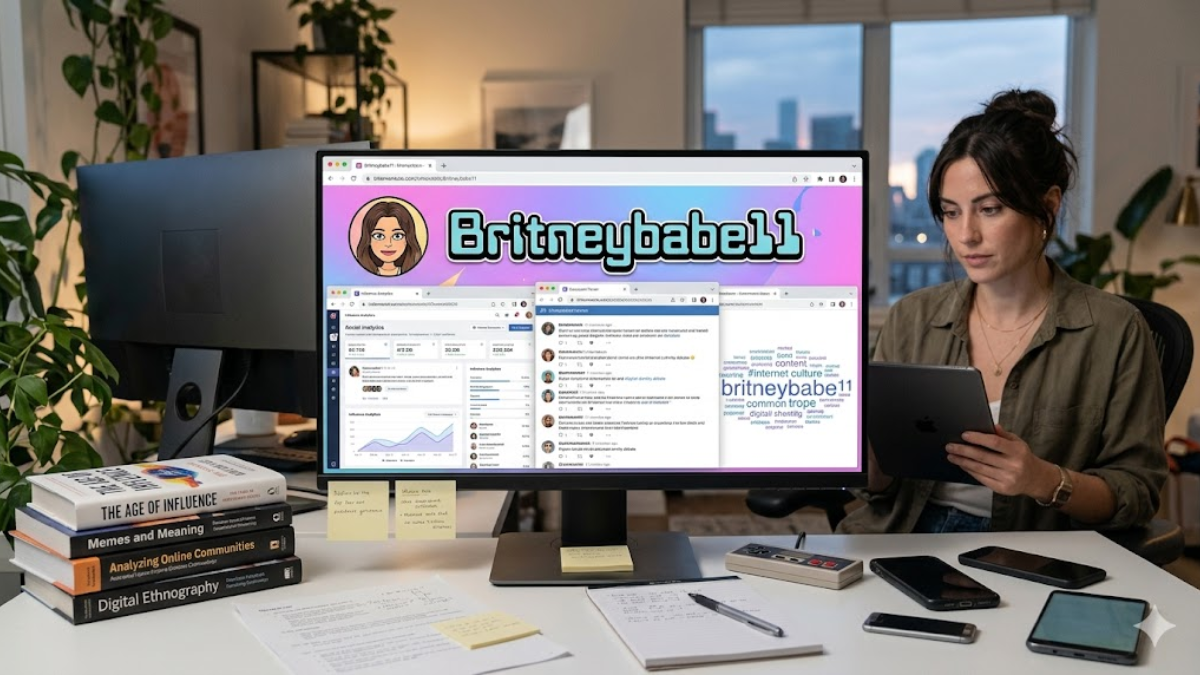
The internet has transformed personal identity into something highly searchable, trackable, and often commercially valuable. In the age of social media, usernames frequently become recognizable digital brands, shaping how individuals are perceived online. One such keyword gaining attention across search engines and online discussions is “britneybabe11.” While the term may initially appear to be just another social media username, it reflects a much broader conversation about internet identity, online visibility, influencer culture, digital privacy, and user-generated branding.
Usernames today are no longer simple login credentials. They often function as public personas connected to social networking platforms, creator ecosystems, streaming services, online communities, and entertainment-based content channels. A name like britneybabe11 may appear in searches because of social media activity, online content sharing, fan communities, digital marketing visibility, or viral engagement across platforms. As internet culture evolves, these identifiers become searchable entities with reputational and cultural implications.
The growing curiosity around terms like britneybabe11 also demonstrates how modern audiences interact with digital personalities. Search behavior increasingly focuses on creators, influencers, usernames, online aliases, and niche internet trends rather than only traditional celebrities or corporate brands. This shift has changed the structure of online discovery and content consumption, especially among younger demographics who spend significant time on platforms such as TikTok, Instagram, Twitch, Reddit, YouTube, and subscription-based creator networks.
Understanding why a keyword such as britneybabe11 attracts attention requires examining several overlapping factors. These include social media algorithms, influencer branding strategies, audience engagement psychology, digital reputation systems, and the economics of online visibility. It also requires a balanced discussion about online privacy, authenticity, and the blurred line between personal and public identity in the digital era.
| Aspect | Details |
|---|---|
| Keyword Type | Online username / digital identity |
| Primary Relevance | Social media and internet culture |
| Common Associations | Influencer branding, online profiles, creator identity |
| Search Interest Drivers | Curiosity, viral trends, platform mentions, content sharing |
| Digital Significance | Personal branding and online discoverability |
| Potential Platforms | TikTok, Instagram, YouTube, Reddit, streaming platforms |
| Main Concerns | Privacy, impersonation, online reputation |
| Cultural Context | Influencer economy and creator-driven media |
The Rise of Digital Usernames as Personal Brands
The emergence of internet usernames as recognizable public identities represents one of the most important shifts in digital communication over the last two decades. Early internet culture treated usernames primarily as anonymous identifiers used in chat rooms, gaming communities, and forums. Today, however, usernames often function as marketable assets connected to audiences, monetization opportunities, and personal branding.
A keyword like britneybabe11 fits into this modern ecosystem where usernames are intentionally designed to be memorable, searchable, and socially engaging. Many creators choose usernames that combine recognizable names, emotional language, or numerical elements to create unique identities across multiple platforms. These identifiers become central to audience recognition and algorithmic discoverability.
Social media platforms have reinforced this trend by making usernames highly visible within profile URLs, search functions, hashtags, and recommendation systems. A creator’s username now acts almost like a digital trademark. If a profile gains enough engagement or goes viral, search engines begin indexing the name, leading to increased public curiosity and independent search activity.
The creator economy has further amplified the importance of online identities. Influencers, streamers, and online entertainers depend heavily on consistent branding across platforms. A recognizable username can increase follower retention, boost platform discoverability, and improve monetization potential through sponsorships or subscriptions.
Another factor contributing to the visibility of names like britneybabe11 is internet archiving. Once a username becomes associated with online content, mentions can spread rapidly across forums, repost accounts, reaction channels, and search indexing systems. Even relatively small creators can develop searchable footprints that persist for years.
At the same time, the rise of searchable usernames has introduced new challenges. Online identities can become targets for impersonation, misinformation, unauthorized content sharing, or privacy violations. This has made digital reputation management increasingly important for both influencers and ordinary users.
Why Certain Usernames Gain Search Popularity
Not all usernames become searchable keywords. Several factors typically contribute to increased search visibility. Viral content is one of the most significant drivers. If a creator posts a widely shared video, meme, livestream clip, or controversial statement, audiences often search directly for the associated username.
Curiosity also plays a major role. Internet users frequently search usernames after encountering them in comments, social media trends, online communities, or recommendation algorithms. This creates a feedback loop where visibility generates further visibility.
Platform cross-promotion contributes as well. Many creators use identical usernames across Instagram, TikTok, YouTube, and streaming platforms to maintain branding consistency. This increases overall search engine indexing and audience recognition.
Another important factor is niche community engagement. Online fandoms, gaming groups, or entertainment communities often discuss specific creators repeatedly, which elevates keyword relevance over time.
Social Media Culture and the Influence Economy
The popularity of keywords such as britneybabe11 reflects broader transformations within social media culture. Modern digital platforms are structured around visibility, engagement, and creator-driven interaction. Unlike traditional media systems that relied on centralized entertainment companies, today’s online ecosystem allows individuals to build audiences independently.
This shift has democratized content creation. A user with a smartphone and internet connection can potentially reach millions of viewers through short-form videos, livestreams, or viral social posts. As a result, usernames themselves become important audience-entry points into creator ecosystems.
Influencer culture is particularly relevant in this context. Influencers are individuals who build online communities through personality-driven content, entertainment, lifestyle updates, gaming streams, tutorials, or niche commentary. Their usernames become digital brands connected to trust, familiarity, and audience loyalty.
Algorithms also shape the visibility of online identities. Platforms prioritize engagement metrics such as watch time, likes, comments, shares, and saves. If content associated with a username performs well, algorithms may recommend it to broader audiences, dramatically increasing search interest.
Another major development is parasocial interaction. Audiences often feel emotionally connected to creators despite having no direct personal relationship with them. This psychological dynamic increases interest in usernames, online histories, and creator-related information.
The monetization structure of social media further intensifies this phenomenon. Influencers frequently generate income through advertising revenue, subscriptions, affiliate marketing, sponsorship deals, and premium content platforms. As financial incentives grow, creators invest more heavily in maintaining recognizable online identities.
However, the pressure to maintain visibility can create challenges. Many creators experience burnout, online harassment, or reputational scrutiny due to constant public exposure. Viral attention can sometimes become difficult to manage, especially when audiences attempt to uncover personal details beyond publicly shared content.
The Role of Algorithms in Username Visibility
Algorithms determine much of what users encounter online. Social media recommendation systems analyze engagement behavior to predict what content audiences are likely to watch or interact with. This process often amplifies creators who generate high levels of engagement within short periods.
If a username like britneybabe11 becomes associated with trending content, platform algorithms may distribute related videos or profiles to increasingly larger audiences. This creates rapid visibility growth that can extend beyond the original platform into search engines and online discussions.
Search engines also contribute to this process. Indexed social media pages, mentions in online forums, reposted content, and user-generated discussions collectively increase search relevance. Even a relatively niche creator can develop substantial visibility if their content spreads across interconnected platforms.
Online Identity and Digital Reputation
One of the most significant aspects of modern internet culture is the growing importance of digital reputation. Usernames increasingly function as long-term public identifiers tied to personal history, professional opportunities, and social perception.
For creators or individuals associated with searchable usernames, online reputation management becomes essential. Audiences often form opinions based on search results, social media activity, and public interactions. This means that even casual online behavior can have lasting implications.
The permanence of internet content adds another layer of complexity. Screenshots, reposts, archived pages, and shared clips can continue circulating long after original content is deleted. This has created a culture where digital actions are often viewed as permanent public records.
Privacy concerns are especially important in discussions about online identities like britneybabe11. Many internet users underestimate how easily online information can spread across platforms. Public usernames may become connected to personal photos, location details, or other identifying information through reposts or investigative internet communities.
Catfishing and impersonation are additional concerns. Popular usernames are sometimes copied by fake accounts seeking attention, financial gain, or audience manipulation. This can damage reputations and confuse followers attempting to locate authentic profiles.
Digital reputation also affects professional opportunities. Employers, collaborators, sponsors, and brands frequently review social media presence before establishing partnerships. As a result, creators must balance authenticity with careful image management.
The Psychological Impact of Online Exposure
Constant visibility can have serious psychological consequences. Public scrutiny, comment culture, and viral attention create emotional pressure that many creators struggle to manage effectively.
Negative comments, harassment campaigns, or invasive audience behavior can contribute to anxiety and burnout. Some creators respond by limiting public interaction or taking extended breaks from social media platforms.
At the same time, online recognition can provide validation, financial independence, and creative opportunity. Many creators build supportive communities that foster meaningful social interaction and professional growth.
This duality is central to modern internet culture. Digital fame offers opportunity but also introduces risks that traditional audiences may not fully understand.
Internet Search Behavior and Curiosity Culture
The popularity of searchable usernames is closely linked to evolving internet search behavior. Modern audiences frequently search individuals, usernames, memes, and creator identities out of curiosity rather than traditional informational intent.
This represents a major transformation in how search engines are used. Earlier internet search behavior focused heavily on factual information, products, or institutional resources. Today, entertainment-driven curiosity plays a substantial role in online discovery.
Keywords such as britneybabe11 may attract attention for multiple reasons. Users might search to identify a creator, locate social profiles, understand viral context, or explore discussions associated with the name. Search engines capture and amplify this interest through autocomplete suggestions and indexed content.
Online communities contribute significantly to this ecosystem. Reddit threads, reaction videos, fan edits, commentary channels, and repost platforms often increase the visibility of creator-related keywords. Once a term gains traction within community discussion, search activity can rise quickly.
Another major factor is short-form video culture. Platforms like TikTok have accelerated rapid visibility cycles where creators can gain millions of views within hours. Audiences frequently leave platforms temporarily to search usernames directly on Google or other social networks.
Search culture also reflects changing audience psychology. Many users seek a sense of connection with creators by learning more about their identities, lifestyles, or content history. This creates sustained interest in usernames even after viral moments fade.
The Impact of Viral Trends
Virality remains one of the strongest forces shaping internet visibility. A single trending clip, meme, or controversial moment can transform an obscure username into a widely searched keyword.
Viral trends spread rapidly because social media platforms reward emotionally engaging content. Humor, controversy, surprise, and relatability all increase sharing behavior. Once engagement metrics rise, algorithms amplify distribution further.
This process can happen extremely quickly. Some creators experience dramatic audience growth within days, leading to spikes in search engine indexing and cross-platform visibility.
However, viral fame is often unstable. Internet attention cycles move rapidly, and creators may struggle to maintain long-term relevance after initial visibility peaks.
Privacy, Ethics, and Responsible Online Engagement
As online identity becomes increasingly public, discussions about privacy and ethical engagement have become more important. Audiences often forget that creators and internet personalities remain real individuals with personal boundaries.
Searching for public information is common internet behavior, but ethical concerns arise when users attempt to uncover private details or engage in invasive online investigation. Doxxing, harassment, unauthorized content distribution, and obsessive tracking represent serious issues within digital culture.
Responsible engagement requires recognizing the difference between public content and private information. Just because a username is searchable does not mean every aspect of a person’s life should become public discussion material.
Platform policies have evolved in response to these concerns. Major social networks increasingly moderate harassment, impersonation, and privacy violations. However, enforcement remains inconsistent across platforms and regions.
Digital literacy education has therefore become increasingly valuable. Internet users must understand how algorithms, visibility systems, and online permanence affect both creators and audiences. This awareness can help reduce harmful online behavior while encouraging healthier digital interaction.
Creators themselves also face strategic decisions about privacy management. Some intentionally separate personal and professional identities, while others embrace public transparency as part of their branding approach. Each strategy carries different benefits and risks.
Balancing Public Visibility and Personal Safety
Maintaining visibility while protecting privacy is one of the most difficult challenges for online creators. Public engagement often drives algorithmic growth, but increased exposure can create security concerns.
Many creators use business email addresses, content management teams, or platform-specific boundaries to reduce personal risk. Others avoid sharing real-time location data or family information online.
The growing commercialization of online identity has made these precautions increasingly necessary. As audiences expand, the probability of harassment, impersonation, or unwanted attention also increases.
The Future of Digital Identity and Searchable Personas
The future of internet culture will likely place even greater emphasis on digital identity. Usernames, creator brands, and online personas are becoming central components of entertainment, commerce, and social interaction.
Artificial intelligence, virtual influencers, and immersive digital environments may further transform how online identities function. Future creators may operate across multiple platforms simultaneously using AI-enhanced branding tools, automated audience analytics, and virtual engagement systems.
Search engines are also evolving. Increasingly sophisticated recommendation systems analyze behavioral patterns rather than relying solely on keyword matching. This means creator visibility may depend more heavily on audience interaction quality and platform retention metrics.
Another important development is decentralized identity management. Some technology experts believe future internet systems may allow users to maintain portable digital reputations across platforms rather than relying on individual social networks.
Regulatory discussions surrounding online privacy are also intensifying globally. Governments and technology companies continue debating how to balance freedom of expression, platform accountability, and user protection.
For creators associated with searchable names like britneybabe11, adaptability will remain essential. Internet culture changes rapidly, and long-term relevance often depends on authenticity, audience trust, and strategic content evolution.
Digital Identity as a Long-Term Asset
Increasingly, online identity is viewed as a form of personal capital. Creators invest significant time building audiences, optimizing engagement strategies, and maintaining consistent branding.
This shift has transformed social media from a casual communication tool into a competitive professional ecosystem. Usernames now carry reputational, economic, and cultural value that extends far beyond simple online interaction.
As younger generations continue integrating digital life into everyday experience, searchable online identities will likely become even more influential in shaping careers, relationships, and entertainment culture.
Conclusion
The keyword britneybabe11 represents far more than a simple internet username. It reflects the broader evolution of online identity, creator culture, digital branding, and modern search behavior. In today’s internet ecosystem, usernames often function as public-facing brands tied to entertainment, social influence, audience engagement, and algorithmic visibility.
The growing interest in searchable online identities demonstrates how deeply social media has reshaped communication and public perception. Platforms no longer operate solely as tools for casual interaction. They have become complex ecosystems where visibility carries economic, psychological, and cultural implications.
At the same time, the increasing prominence of digital identities introduces serious challenges related to privacy, reputation management, online ethics, and emotional well-being. Creators and audiences alike must navigate a landscape where attention can spread rapidly and persist indefinitely through search indexing and content archiving.
Understanding the dynamics behind terms like britneybabe11 provides insight into broader internet culture trends. It highlights how modern audiences engage with creators, how algorithms shape visibility, and how online personas influence both entertainment and social interaction.
Looking forward, digital identity will likely continue evolving alongside artificial intelligence, platform innovation, and changing audience behavior. Usernames may become even more integrated into professional branding, entertainment ecosystems, and online commerce. As this transformation continues, responsible engagement, privacy awareness, and digital literacy will remain essential for both creators and audiences navigating the increasingly interconnected online world.
Check Out More Interesting Stories!
FAQs
FAQ 1: What does the keyword britneybabe11 typically refer to?
The keyword britneybabe11 generally appears to function as an online username or digital identity associated with social media activity, creator culture, or internet-based content sharing. Like many searchable usernames, it may attract attention because of platform visibility, viral content, or audience curiosity.
FAQ 2: Why do internet usernames become searchable on Google?
Usernames become searchable when they are repeatedly mentioned across platforms, indexed by search engines, or connected to viral content. Social media engagement, reposts, online discussions, and audience interest all contribute to increased search visibility for specific usernames.
FAQ 3: Are searchable usernames considered personal brands?
In many cases, yes. Modern social media culture has transformed usernames into recognizable personal brands. Influencers, creators, and online personalities often use consistent usernames across multiple platforms to strengthen audience recognition and digital branding.
FAQ 4: What privacy risks are associated with public online usernames?
Public usernames can expose users to risks such as impersonation, harassment, unauthorized content sharing, or invasive online investigation. Because online content spreads rapidly, maintaining privacy boundaries has become increasingly important for creators and public-facing internet users.
FAQ 5: How does social media influence the popularity of usernames like britneybabe11?
Social media algorithms amplify content that generates strong engagement through likes, comments, shares, and watch time. If a username becomes associated with trending or viral content, platform recommendation systems can significantly increase visibility and search interest.
-

 Technology3 days ago
Magfusehub Com: Understanding the Emerging Digital Content Platform in 2026
-

 Technology5 days ago
MMSBRE: Meaning, Digital Relevance, Security Concerns, and Emerging Technology Trends
-

 Technology5 days ago
Gaymetu E: Understanding the Digital Trend, Online Identity, and Emerging Internet Culture
-

 General5 days ago
Calamariere: Meaning, Origins, Cultural Relevance, and Modern Interpretations
-

 Food & Drinks3 days ago
Porcupine Soup: History, Preparation, Health Benefits, and Cultural Significance
-

 Entertainment3 days ago
Wikifeet X: The Rise of Niche Celebrity Rating Platforms and Internet Foot Culture
-
 Travel3 days ago
Alhambra Palace Night Tour Attendance Revenue: Tourism Economics, Visitor Trends, and Cultural Impact
-

 Technology5 days ago
Soutaipasu: Understanding the Emerging Digital Term, Its Origins, Uses, and Online Relevance