Food & Drinks
Porcupine Soup: History, Preparation, Health Benefits, and Cultural Significance

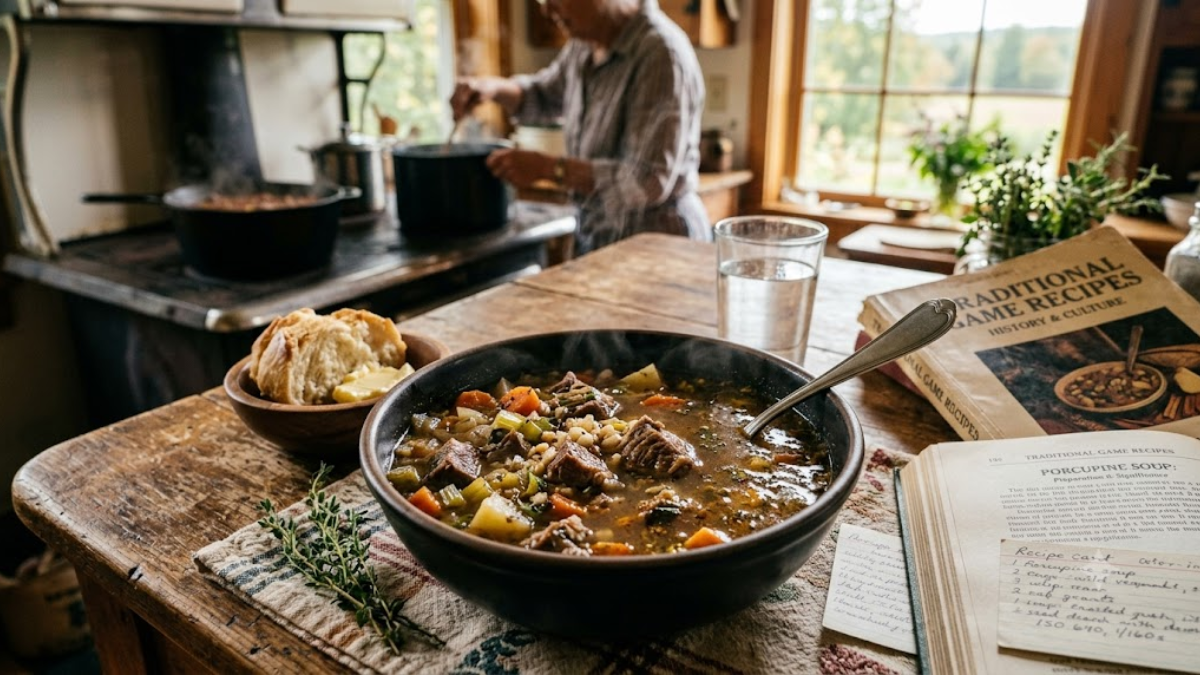
Porcupine soup is a traditional delicacy with deep cultural roots in various communities, particularly in parts of Asia and Africa. It is a unique dish prepared using porcupine meat, often combined with aromatic herbs, spices, and vegetables to create a flavorful, nutrient-rich broth. While porcupine soup may seem exotic to many, it has historically been valued for its medicinal properties, nutritional benefits, and cultural symbolism.
In regions where porcupine meat is consumed, the soup is not only considered a source of sustenance but also a dish with ceremonial and therapeutic importance. Traditional beliefs hold that porcupine meat can enhance strength, aid in recovery from illness, and provide warmth during cold seasons. Today, porcupine soup continues to feature in both rural households and gourmet culinary experiences, representing a bridge between heritage, gastronomy, and nutrition.
The relevance of porcupine soup extends beyond its taste. It embodies the principles of sustainable hunting, local cuisine traditions, and ethnobotanical knowledge, as it is often paired with locally sourced herbs believed to have health-promoting properties. Understanding porcupine soup allows culinary enthusiasts, nutritionists, and cultural researchers to explore the intersection of food, medicine, and tradition.
| Overview Dimension | Description |
|---|---|
| Dish Name | Porcupine Soup |
| Cuisine | Traditional Asian and African cuisines |
| Main Ingredient | Porcupine meat |
| Flavor Profile | Savory, aromatic, and herbaceous |
| Cooking Methods | Boiling, simmering, slow-cooking |
| Health Benefits | High protein, believed medicinal properties, warming effect |
| Cultural Significance | Ceremonial dishes, traditional medicine, communal meals |
| Popular Regions | China, Nigeria, Cameroon, Central Africa |
Historical and Cultural Context
Origins and Traditional Significance
Porcupine soup has a long-standing history in traditional Chinese and African cuisines. In China, particularly in southern regions, porcupine meat has been consumed for centuries, often as part of medicinal soups believed to improve vitality and longevity. Traditional Chinese Medicine (TCM) categorizes porcupine meat as a warming food, useful for replenishing energy and enhancing blood circulation.
In African communities, porcupine soup’s serves both nutritional and cultural purposes. It is often prepared during festive occasions, rituals, or community gatherings, symbolizing abundance and the skill of the hunter. In rural areas, the dish is intertwined with local ecological knowledge, ensuring sustainable harvesting practices and respect for wildlife.
Cultural Symbolism
The consumption of porcupine soup goes beyond nutrition. In many societies, it represents resilience, protection, and communal harmony. The porcupine, as an animal, is seen as a symbol of defense and careful preparation, qualities that metaphorically extend to the preparation of the soup. Ceremonial porcupine dishes are therefore not merely for eating but are imbued with cultural meaning.
Nutritional and Health Benefits
High Protein Content
Porcupine meat is rich in protein, making it a valuable dietary component, especially in regions with limited access to livestock or poultry. Protein is essential for muscle development, tissue repair, and overall metabolic health. The slow-cooking process in soup preserves much of this nutritional value while creating a digestible form suitable for all ages.
Medicinal and Traditional Benefits
Traditional practitioners believe that porcupine soup’s can support the immune system, improve circulation, and aid recovery from illness. In TCM, the soup is often combined with herbs like goji berries, ginseng, or angelica root to enhance its medicinal properties. In African traditions, local spices and leaves are incorporated for their anti-inflammatory and antioxidant effects.
Low Fat and Energy-Rich Broth
Despite its protein richness, porcupine meat is relatively lean. When prepared as a soup, it yields a clear, flavorful broth that is low in fat but energy-rich, suitable for warming the body in colder climates or aiding in convalescence after sickness.
Preparation and Cooking Methods
Ingredient Selection
Key ingredients include porcupine meat (cleaned and skinned), aromatic herbs, vegetables like carrots, onions, and mushrooms, and spices such as pepper, garlic, and ginger. Some recipes call for medicinal herbs or local leaves to enhance flavor and health benefits.
Cooking Techniques
Porcupine soup’s is typically prepared using boiling and slow-simmering techniques. The meat is first cleaned thoroughly and boiled to remove impurities. It is then simmered with herbs and vegetables for several hours to allow flavors to meld and the broth to become rich and aromatic. Slow-cooking is essential for tenderizing the meat, as porcupine meat can be tough if cooked too quickly.
Regional Variations
- Chinese Style: Often includes medicinal herbs and may be served as part of a multi-course meal.
- African Style: Focuses on spices and local leaves, sometimes thickened with yam or plantain flour.
- Modern Gourmet: Chefs may deconstruct the soup or pair it with complementary ingredients such as truffles or exotic mushrooms to create fusion dishes.
Ethical and Sustainability Considerations
Porcupine soup raises important ethical and ecological questions. Sustainable hunting practices are crucial to avoid overexploitation of wild populations. Some regions have implemented wildlife conservation programs to regulate porcupine harvesting, ensuring that traditional culinary practices do not endanger species.
Additionally, alternative ingredients such as farm-raised porcupine or substitute proteins are explored to maintain culinary heritage without compromising ecological balance. Awareness of ethical sourcing is increasingly important for chefs, food enthusiasts, and cultural preservationists.
Contemporary Relevance and Culinary Trends
Porcupine soup has found its place in modern gastronomy as chefs experiment with heritage dishes to appeal to global audiences. Restaurants in Asia and Africa showcase traditional recipes with refined presentations, while health-conscious consumers explore its nutritional and medicinal potential.
The dish is also gaining attention in food anthropology and cultural tourism. Travelers and culinary researchers are interested in experiencing authentic porcupine soup’s as a window into regional traditions, hunting practices, and local flavors.
Conclusion
Porcupine soup is more than a culinary novelty; it represents a fusion of nutrition, tradition, and cultural symbolism. Its preparation reflects centuries of ethnobotanical knowledge, hunting skills, and community rituals. With high protein content, believed medicinal benefits, and rich cultural significance, porcupine soup exemplifies how traditional foods can bridge heritage and contemporary cuisine.
Sustainable practices, careful preparation, and an understanding of its historical context ensure that porcupine soup remains a respected and cherished dish. As global interest in unique culinary experiences grows, porcupine soup stands as an enduring example of how culture, health, and gastronomy intertwine.
Check Out More Interesting Stories!
FAQs
FAQ 1: What is porcupine soup made of?
Porcupine soup is primarily made from porcupine meat, combined with aromatic herbs, vegetables, and spices. Depending on regional recipes, medicinal herbs or local leaves may also be added for flavor and health benefits.
FAQ 2: Where is porcupine soup commonly eaten?
Porcupine soup is traditionally consumed in parts of China, Nigeria, Cameroon, and Central Africa. It features in both rural households and ceremonial occasions, reflecting local culinary heritage.
FAQ 3: Is porcupine soup healthy?
Yes, porcupine soup is high in protein, low in fat, and often combined with herbs believed to have medicinal properties. It is traditionally used to support recovery from illness and to provide warmth and energy.
FAQ 4: How is porcupine soup prepared?
The soup is prepared by cleaning and boiling the porcupine meat, then simmering it slowly with vegetables, spices, and herbs. Slow-cooking ensures tender meat and rich, flavorful broth.
FAQ 5: Are there ethical concerns with eating porcupine soup?
Yes, ethical and sustainability concerns exist due to the hunting of wild porcupines. Responsible sourcing, sustainable hunting practices, and alternative ingredients are important to preserve wildlife populations and maintain culinary traditions.

-

 Technology3 days ago
Magfusehub Com: Understanding the Emerging Digital Content Platform in 2026
-

 Entertainment3 days ago
Manwhabuddy: Exploring the Popular Manhwa Reading Platform and Online Manga Culture
-

 Technology5 days ago
MMSBRE: Meaning, Digital Relevance, Security Concerns, and Emerging Technology Trends
-

 Technology5 days ago
Gaymetu E: Understanding the Digital Trend, Online Identity, and Emerging Internet Culture
-

 General5 days ago
Calamariere: Meaning, Origins, Cultural Relevance, and Modern Interpretations
-

 Entertainment3 days ago
Wikifeet X: The Rise of Niche Celebrity Rating Platforms and Internet Foot Culture
-

 Travel3 days ago
Alhambra Palace Night Tour Attendance Revenue: Tourism Economics, Visitor Trends, and Cultural Impact
-

 Technology5 days ago
Soutaipasu: Understanding the Emerging Digital Term, Its Origins, Uses, and Online Relevance