Home Decor
Kaminų: Comprehensive Guide to Chimneys, Installation, Materials, Maintenance, and Modern Heating Systems

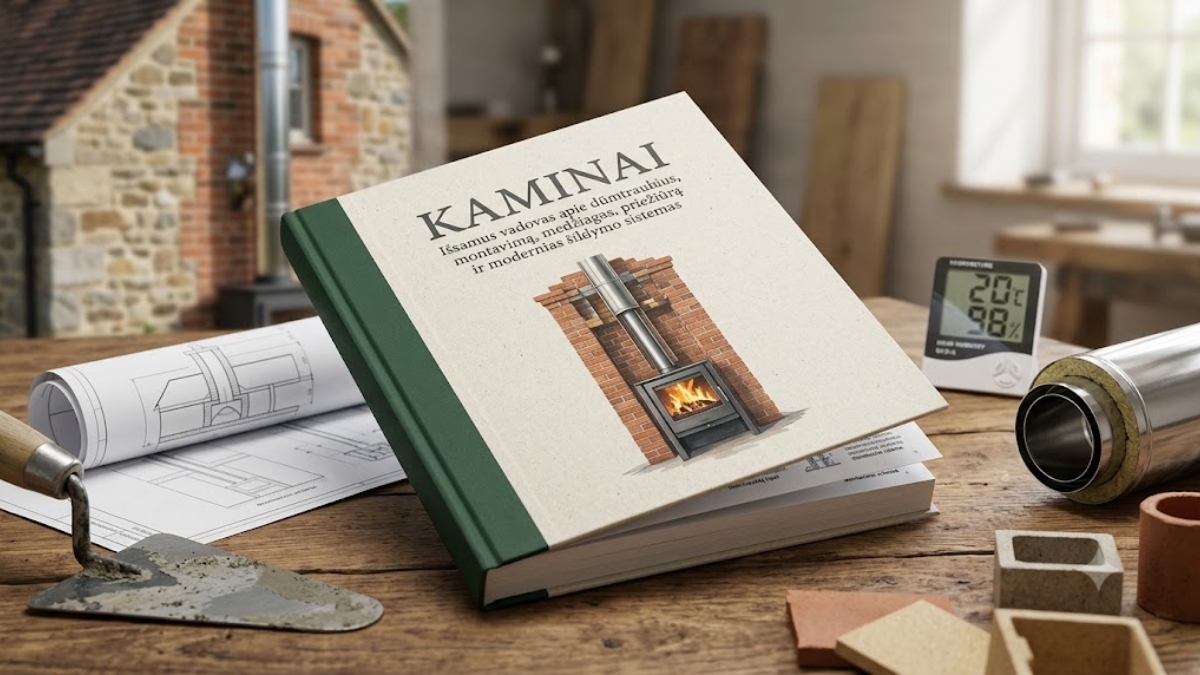
“Kaminų” is the Lithuanian term commonly associated with chimneys, chimney systems, and smoke ventilation structures used in residential, commercial, and industrial buildings. Chimneys have been an essential component of architectural and heating systems for centuries, serving the critical function of safely directing smoke, gases, and combustion byproducts away from indoor environments. In modern construction and home heating systems, kaminų solutions have evolved far beyond traditional brick chimneys, incorporating advanced insulation materials, stainless steel technology, modular systems, and energy-efficient ventilation designs.
The importance of chimney systems continues to grow as homeowners seek efficient heating methods while maintaining compliance with increasingly strict fire safety and environmental regulations. Whether connected to fireplaces, wood-burning stoves, pellet heaters, gas boilers, or industrial furnaces, chimney systems play a vital role in ensuring proper airflow, combustion efficiency, and indoor air quality. Poorly designed or improperly maintained chimneys can create serious risks, including carbon monoxide exposure, chimney fires, smoke backflow, and structural damage.
Modern kaminų systems are now designed with an emphasis on durability, thermal efficiency, and compatibility with multiple fuel sources. Technological advancements have transformed chimney engineering into a specialized field involving airflow dynamics, heat resistance, corrosion protection, and sustainable building integration. As energy-efficient housing becomes increasingly common across Europe and globally, the role of advanced chimney systems is becoming even more significant.
| Overview Category | Details |
|---|---|
| Term | Kaminų |
| Primary Meaning | Chimneys and chimney systems |
| Main Purpose | Ventilation of smoke and combustion gases |
| Common Materials | Brick, stainless steel, ceramic, concrete |
| Main Applications | Fireplaces, stoves, boilers, industrial heating |
| Key Safety Concerns | Fire prevention, carbon monoxide control |
| Modern Features | Insulated flues, modular construction, condensation protection |
| Related Industries | Construction, heating, home improvement |
History and Evolution of Kaminų Systems
Traditional Chimney Construction
Historically, chimney systems were constructed primarily from stone, clay, or brick materials. Early fireplaces and wood-burning systems required vertical ventilation shafts capable of directing smoke outdoors while maintaining stable combustion airflow inside buildings.
In many European regions, including Lithuania and neighboring countries, masonry chimneys became a defining architectural element of residential housing. Traditional brick chimneys were valued for their durability and thermal mass, allowing them to retain heat while providing effective ventilation.
These early systems, however, often lacked modern insulation and condensation control mechanisms. As a result, long-term exposure to moisture and soot could gradually weaken structural integrity.
Industrialization and Heating Technology
The industrial era significantly transformed chimney engineering. Coal-burning furnaces, industrial boilers, and centralized heating systems required larger, more durable chimney infrastructure capable of handling higher temperatures and corrosive emissions.
During the twentieth century, advancements in metallurgy and manufacturing introduced steel chimney systems, which provided several advantages:
- Faster installation
- Improved heat resistance
- Better corrosion protection
- Reduced structural weight
- Greater flexibility for renovations
This transition allowed chimney systems to adapt to modern heating appliances and changing architectural designs.
Modern Energy-Efficient Chimneys
Contemporary kaminų systems are highly engineered components designed to maximize heating efficiency while minimizing environmental impact. Modern systems often include:
- Double-wall insulation
- Ceramic flue liners
- Condensation drainage systems
- Modular assembly
- Fire-resistant sealing materials
These innovations support compatibility with low-emission heating appliances and high-efficiency boilers commonly used in modern homes.
Main Types of Kaminų Systems
Masonry Chimneys
Masonry chimneys remain common in traditional homes and fireplace installations. Constructed using brick, stone, or concrete blocks, these systems are highly durable and visually appealing.
Advantages include:
- Long lifespan
- Excellent heat retention
- Strong structural appearance
- Compatibility with wood-burning fireplaces
However, masonry chimneys require regular maintenance due to:
- Creosote buildup
- Moisture penetration
- Cracking from thermal expansion
- Mortar deterioration
Modern masonry systems often incorporate ceramic or stainless steel liners to improve safety and efficiency.
Stainless Steel Chimneys
Stainless steel kaminų systems are increasingly popular in contemporary residential construction due to their flexibility and ease of installation. These systems are widely used with:
- Pellet stoves
- Gas boilers
- Wood-burning stoves
- Sauna heaters
Stainless steel chimneys offer several practical benefits:
- Corrosion resistance
- Lightweight construction
- Fast installation
- Excellent thermal performance
- Compatibility with modern heating appliances
Insulated stainless steel systems are especially important for maintaining proper flue temperatures and reducing condensation.
Ceramic Chimney Systems
Ceramic chimney systems combine ceramic flue liners with insulated outer blocks or modular casings. They are known for:
- High heat resistance
- Acid resistance
- Long operational lifespan
- Excellent fire safety performance
Ceramic systems are widely used in Europe for energy-efficient homes and biomass heating systems.
Because ceramic materials tolerate high temperatures and aggressive combustion byproducts, they are considered highly reliable for long-term residential use.
Modular Chimney Systems
Modern modular kaminų systems allow installers to assemble chimney structures using prefabricated components. This approach simplifies installation and reduces labor costs.
Modular systems typically include:
- Interlocking flue sections
- Insulation layers
- Condensate collectors
- Weather-resistant caps
- Fireproof connection points
These systems are especially useful in renovations and new construction projects where flexibility and installation speed are priorities.
Installation Considerations for Kaminų Systems
Proper Sizing and Airflow
Correct chimney sizing is essential for efficient operation. A chimney that is too small may restrict airflow and cause smoke backdrafts, while oversized chimneys may reduce draft efficiency and increase condensation.
Professional installers evaluate several factors:
- Heating appliance output
- Fuel type
- Building height
- Roof configuration
- Ventilation conditions
Proper airflow ensures efficient combustion and minimizes dangerous gas accumulation.
Fire Safety Regulations
Modern chimney installations must comply with national and regional fire safety regulations. These standards address:
- Clearance distances
- Fire-resistant insulation
- Roof penetration safety
- Flue liner specifications
- Structural stability
Improper installation can significantly increase the risk of chimney fires and carbon monoxide exposure.
Condensation Management
High-efficiency heating appliances often produce cooler exhaust gases, increasing the likelihood of condensation inside chimney systems. Excess moisture can damage masonry, corrode metal components, and reduce operational lifespan.
Modern kaminų systems include:
- Condensation drains
- Moisture-resistant liners
- Thermal insulation
- Corrosion-resistant materials
These features help preserve structural integrity and improve efficiency.
Maintenance and Cleaning of Kaminų Systems
Importance of Regular Inspections
Routine chimney inspections are essential for identifying:
- Creosote buildup
- Cracks or leaks
- Blockages
- Corrosion
- Structural weakening
Professional chimney inspections help prevent dangerous conditions and maintain heating efficiency.
Chimney Cleaning Procedures
Wood-burning systems generate soot and creosote deposits that accumulate inside flues over time. Excessive buildup can ignite and cause chimney fires.
Cleaning procedures generally involve:
- Mechanical brushing
- Vacuum extraction
- Flue camera inspections
- Creosote removal treatments
Annual cleaning is commonly recommended for frequently used fireplaces and stoves.
Weather and Structural Protection
External chimney components are continuously exposed to rain, snow, ice, and temperature fluctuations. Protective measures include:
- Chimney caps
- Waterproof coatings
- Flashing maintenance
- Masonry sealing
These steps help extend the lifespan of chimney structures and reduce moisture-related damage.
Modern Trends in Kaminų Technology
Smart Heating Integration
Modern heating systems increasingly integrate digital monitoring technologies capable of tracking:
- Flue temperature
- Airflow efficiency
- Smoke emissions
- Maintenance requirements
Smart chimney monitoring systems improve safety and optimize heating performance.
Eco-Friendly Heating Systems
As environmental regulations tighten, kaminų systems are evolving to support:
- Low-emission stoves
- Biomass heating
- Pellet fuel systems
- Condensing boilers
Efficient chimney design helps reduce particulate emissions and improve fuel utilization.
Architectural Design Trends
Contemporary architects increasingly treat chimney systems as both functional and aesthetic elements. Minimalist steel flues, integrated fireplace walls, and exposed industrial-style chimneys are becoming popular in modern home design.
This combination of engineering and aesthetics reflects the continuing architectural importance of chimney systems.
Conclusion
Kaminų systems remain a fundamental component of modern heating, ventilation, and architectural infrastructure. From traditional masonry chimneys to advanced modular stainless steel systems, chimney technology has evolved significantly to meet changing safety standards, environmental requirements, and energy-efficiency expectations.
Proper chimney selection, installation, and maintenance are essential for ensuring safe and efficient operation. Modern systems now incorporate advanced insulation, condensation management, corrosion resistance, and smart monitoring technologies that significantly improve performance and durability.
As sustainable heating solutions continue gaining importance worldwide, kaminų systems will remain central to residential and commercial energy infrastructure. Their role extends beyond smoke ventilation alone, encompassing fire safety, energy efficiency, environmental compliance, and architectural design integration.
Check Out More Interesting Stories!
FAQs
FAQ 1: What does “kaminų” mean?
“Kaminų” is a Lithuanian term commonly associated with chimneys or chimney systems used for ventilating smoke and combustion gases from fireplaces, stoves, boilers, and heating appliances.
FAQ 2: What are the main types of chimney systems?
The primary types include masonry chimneys, stainless steel chimneys, ceramic chimney systems, and modular prefabricated chimney structures. Each type offers different advantages depending on heating requirements and building design.
FAQ 3: Why is chimney maintenance important?
Regular chimney maintenance helps prevent chimney fires, carbon monoxide exposure, structural damage, and airflow problems. Cleaning and inspections remove soot and identify potential safety hazards before they become serious.
FAQ 4: What materials are commonly used in modern kaminų systems?
Modern chimney systems often use stainless steel, ceramic liners, insulated concrete blocks, brick masonry, and heat-resistant sealing materials designed for durability and thermal efficiency.
FAQ 5: How often should a chimney be cleaned?
Most experts recommend annual chimney inspections and cleaning, especially for wood-burning fireplaces and stoves. Frequent use may require more regular maintenance depending on soot and creosote accumulation levels.

-

 Technology3 days ago
Magfusehub Com: Understanding the Emerging Digital Content Platform in 2026
-

 Entertainment3 days ago
Manwhabuddy: Exploring the Popular Manhwa Reading Platform and Online Manga Culture
-

 Technology5 days ago
MMSBRE: Meaning, Digital Relevance, Security Concerns, and Emerging Technology Trends
-

 Technology5 days ago
Gaymetu E: Understanding the Digital Trend, Online Identity, and Emerging Internet Culture
-

 General5 days ago
Calamariere: Meaning, Origins, Cultural Relevance, and Modern Interpretations
-

 Entertainment3 days ago
Wikifeet X: The Rise of Niche Celebrity Rating Platforms and Internet Foot Culture
-

 Food & Drinks3 days ago
Porcupine Soup: History, Preparation, Health Benefits, and Cultural Significance
-

 Travel3 days ago
Alhambra Palace Night Tour Attendance Revenue: Tourism Economics, Visitor Trends, and Cultural Impact